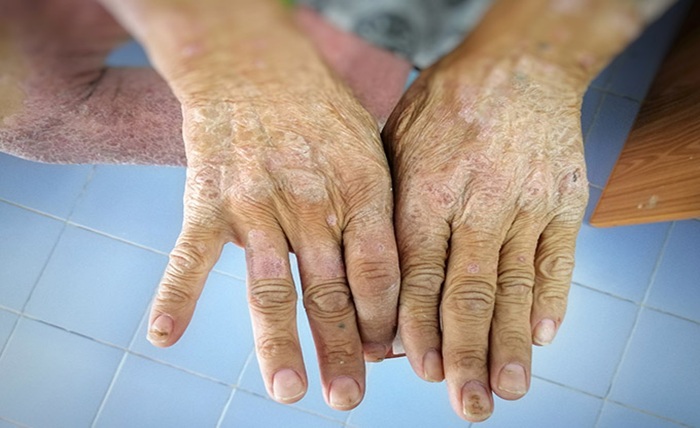
Scleroderma Care and Prevention starts with understanding this rare autoimmune condition that causes the body to overproduce collagen, leading to thickened skin and potential organ involvement. Many people feel overwhelmed at first, but with the right knowledge and proactive steps, daily life can remain fulfilling and manageable. Scleroderma Care and Prevention emphasizes early awareness and consistent habits that reduce symptoms and complications over time.
In Scleroderma Care and Prevention, education empowers Liv Hospital patients and families to recognize patterns before they worsen. Whether it’s localized patches on the skin or systemic effects reaching the lungs and heart, staying informed helps avoid surprises. Scleroderma Care and Prevention is not about a cure—since none exists yet—but about smart, ongoing strategies that improve quality of life every single day.
Understanding Scleroderma: Types and Causes
Scleroderma Care and Prevention begins by distinguishing between localized and systemic forms of the disease. Localized scleroderma mainly thickens patches of skin without spreading to internal organs, while systemic sclerosis—either limited (CREST syndrome) or diffuse—can affect blood vessels, the digestive tract, lungs, heart, and kidneys. Scleroderma Care and Prevention highlights that the exact cause remains unknown, though genetics, environmental triggers, and immune system glitches play roles, especially in women aged 30 to 50.
Knowing these differences shapes every decision in Scleroderma Care and Prevention. Diffuse cases often progress faster with widespread skin tightening, whereas limited forms may focus on Raynaud’s phenomenon and esophageal issues. Scleroderma Care and Prevention stresses that early classification through rheumatologist evaluation prevents unnecessary worry and directs resources precisely where they are needed most.
Recognizing Symptoms Early for Better Outcomes
Scleroderma Care and Prevention relies heavily on spotting warning signs like shiny, tight skin on the fingers, face, or torso, plus Raynaud’s episodes where digits turn white, blue, or red in the cold. Fatigue, joint stiffness, heartburn, and unexplained weight loss also signal the need for attention. Scleroderma Care and Prevention encourages tracking these changes in a journal so patterns emerge quickly for medical review.
Prompt recognition fuels effective Scleroderma Care and Prevention because delays allow fibrosis to advance. Swelling in hands, difficulty swallowing, or shortness of breath should never be ignored. Scleroderma Care and Prevention teaches that these clues often appear years before severe organ damage, giving patients and doctors a valuable window to intervene and live and feel maintain mobility and comfort.
Diagnostic Approaches Supporting Scleroderma Care and Prevention
Scleroderma Care and Prevention includes thorough diagnostics such as physical exams, antibody blood tests, skin biopsies, pulmonary function tests, and imaging like echocardiograms or CT scans. These tools confirm the type and extent of involvement without guesswork. Scleroderma Care and Prevention recommends seeing a rheumatologist experienced in connective-tissue diseases for accurate interpretation of results.
Regular monitoring forms the backbone of Scleroderma Care and Prevention. Follow-up visits track lung capacity, kidney function, and skin scores so adjustments happen before crises arise. Scleroderma Care and Prevention shows that consistent testing—rather than waiting for symptoms to flare—helps preserve organ health and gives peace of mind through data-driven reassurance.
Pharmacological Approaches in Scleroderma Care and Prevention
Scleroderma Care and Prevention often involves medications tailored to specific problems: calcium channel blockers or vasodilators for Raynaud’s, immunosuppressants like mycophenolate or methotrexate to slow fibrosis, and proton-pump inhibitors for reflux. Pain relievers and antibiotics address secondary issues such as digital ulcers or bacterial overgrowth. Scleroderma Care and Prevention always pairs drugs with close medical supervision to balance benefits against side effects.
Advanced options in Scleroderma Care and Prevention include ACE inhibitors for kidney protection during scleroderma renal crisis and prostacyclin analogs for pulmonary hypertension. Clinical trials exploring stem-cell transplants or newer biologics offer hope for severe cases. Scleroderma Care and Prevention reminds patients that no single pill works for everyone, so personalized regimens evolve with each check-up to keep symptoms controlled.
Lifestyle Changes Essential to Scleroderma Care and Prevention
Scleroderma Care and Prevention thrives on daily habits like gentle exercise, range-of-motion stretches, and staying warm with layered clothing and mittens to prevent Raynaud’s attacks. A nutrient-rich diet low in processed foods supports gut motility, while elevating the bed head reduces nighttime heartburn. Scleroderma Care and Prevention also strongly advises quitting smoking, as nicotine narrows vessels and worsens lung and skin issues.
Stress management, adequate rest, and avoiding extreme temperatures round out Scleroderma Care and Prevention. Simple acts—moisturizing skin multiple times daily, protecting hands during household chores, and pacing activities—prevent minor problems from escalating. Scleroderma Care and Prevention proves that these small, sustainable shifts compound into major improvements in energy and independence over months and years.
Skin and Joint Care Techniques Within Scleroderma Care and Prevention
Scleroderma Care and Prevention prioritizes skin protection with fragrance-free moisturizers, broad-spectrum sunscreen, and gentle cleansers to combat dryness and itching. Physical or occupational therapy maintains finger flexibility and prevents contractures that limit daily tasks. Scleroderma Care and Prevention encourages patients to perform prescribed hand exercises even when skin feels tight, because consistency preserves grip strength and range of motion.
Phototherapy or topical treatments sometimes supplement Scleroderma Care and Prevention for stubborn plaques. Keeping affected areas warm and avoiding harsh chemicals further reduces injury risk. Scleroderma Care and Prevention shows that proactive skin routines not only ease discomfort but also slow the visible progression of tightening, helping patients feel more confident in their appearance and abilities.
Handling Internal Organ Complications Through Scleroderma Care and Prevention
Scleroderma Care and Prevention extends to organ-specific vigilance: regular echocardiograms for heart involvement, pulmonary tests for lung fibrosis, and endoscopy for esophageal damage. Blood-pressure control and reflux management prevent silent progression toward kidney or breathing crises. Scleroderma Care and Prevention integrates multidisciplinary teams—cardiologists, pulmonologists, gastroenterologists—so no system is overlooked.
Vaccinations against flu, pneumonia, and COVID-19 become vital components of Scleroderma Care and Prevention because immunosuppression raises infection risk. Dietary tweaks, such as small frequent meals and avoiding late eating, keep digestion steady. Scleroderma Care and Prevention demonstrates that coordinated care across specialties dramatically lowers hospitalization rates and supports longer, healthier lives.
Building a Support Network for Long-Term Scleroderma Care and Prevention
Scleroderma Care and Prevention is stronger when shared. Connecting with patient groups, online communities, or local support meetings reduces isolation and provides practical tips from others living the same reality. Mental-health resources—counseling or relaxation techniques—address anxiety or frustration that often accompany chronic illness. Scleroderma Care and Prevention encourages open conversations with family so loved ones understand how to help without overprotecting.
Ongoing education and advocacy keep Scleroderma Care and Prevention evolving. Participating in clinical trials or fundraising spreads awareness and accelerates research. Scleroderma Care and Prevention thrives on community because no one navigates this journey alone; collective wisdom and encouragement turn challenges into manageable chapters.
Conclusion
Scleroderma Care and Prevention is a lifelong partnership between patients, doctors, and supportive networks that transforms a complex diagnosis into a manageable condition. By combining medical advances, thoughtful lifestyle adjustments, and vigilant self-monitoring, most people maintain active, meaningful lives despite the disease. Scleroderma Care and Prevention reminds us that progress comes from small daily choices compounded over time.
Ultimately, hope anchors Scleroderma Care and Prevention. Research continues to refine therapies, and personal resilience grows with every successful strategy implemented. Embrace Scleroderma Care and Prevention today—consult specialists, adopt proven habits, and reach out for community—so tomorrow feels brighter, healthier, and full of possibility. With dedication, living well remains entirely within reach.